Knowing how to sell property in Costa Rica starts with a document audit, weeks before you list, because expired certificates, corporate filings that have fallen behind and unsettled employee obligations are what delay closings or end them. Uvita Law Firm runs that audit with you so your file is current before a buyer’s attorney starts checking it.
Every real estate sale in Costa Rica lives or dies on the due diligence your buyer’s attorney runs before closing. They’ll pull your title at the Registro Nacional, Costa Rica’s national property registry, check whether your corporation can legally sign, confirm your municipal tax is current, and read your registered survey against what’s standing on the land today. Anything out of date gets found, and what follows is a renegotiation against you, a delayed closing, or a dead deal.
Walk into the offer with a complete, current file and you keep control of what happens next. Leave it until a buyer’s lawyer starts checking, and you’re negotiating against your own paperwork. The fear underneath it is a deal that dies at the last minute over a document you didn’t know had expired.
This is the outline we walk sellers of real estate in Costa Rica through at Uvita Law Firm, ideally weeks before a listing goes live and always before anyone signs.
We’ve handled successful real estate closings throughout Costa Rica since 2010, specializing in the areas of San Isidro, Dominical, Tinamastes, Uvita, Playa Hermosa, Ballena, Ojochal, Tres Rios and San Buenas areas since 2010, and here is what to have in order before you list your property on the real estate market.
Let us help you get ready to sell your property in Costa Rica
You might assume this work starts once an offer arrives. Most of what a sale needs from you takes longer to sort out than the closing itself, because it depends on municipalities, other government institutions, water departments or associations private services providers and the Registro Nacional rather than on you.
Three things set the pace: municipal certificates run on the municipality’s calendar, corporate filings run on the Registro Nacional’s backlog, and an employee settlement has to be calculated before it can be signed. None of them speed up because someone’s waiting to buy.
The order you tackle them in matters as much as getting them done, and the right order depends on the nature of your property. Is it commercial, residential, in a Condominium or raw land? We first review the type of property and its location and then we can give you the correct list of documents to obtain and have ready so when an offer comes, half the work has already been done.. We can explain more once you book a consultation.
If you hold your property in a Costa Rican corporation, Here are some items to have ready before you get the offer and that you will need to provide during due diligence or before you sell your property.
For property held in a corporation, the books need to be findable and current. If they’re in a safety deposit box in Ohio, retrieve them now, because nothing else moves without them.
Holding the property in a corporation doesn’t necessarily mean you’re selling the corporation. In most sales the corporation you own executes a public deed transferring the property to the new owner. Either way, it is necessary to have authorization by the shareholders for the sale, which needs to be done with a notary public and will be required prior to Closing. This item cannot really be done until the details of the deal are in place, therefore this item is a Pre-closing requirement rather than a Pre-offer item. However, have those books handy, either with you or the lawyer representing you in the sale.
Expect your buyer’s attorney to ask whether your corporation is in good standing, which means current filed beneficial ownership and corporate tax obligations, a registered corporate email if after December 3rd 2027, and clear authority for your legal representative to sign.
The rest of the document list changes with the property and its location depending on whether it is commercial or residential, in a condominium, titled or concession, held personally or through a company, and raw land or built. Book a consultation in person or by voice or video call and we’ll tell you exactly what your file needs.
The beneficial ownership declaration, which tells the government who owns the company behind the title, is filed every April through the Banco Central’s Central Directo platform, and it needs a Costa Rican digital signature. That signature is only available to Costa Rican citizens and residents, so most foreign owners grant a registered power of attorney and have someone here file for them.
Paid corporate tax. If your corporation owes any tax for this, the Buyer’s attorney will not be able to confirm important information needed for the Due Diligence process, once you receive an offer.
The registered email requirement is the one most owners haven’t dealt with yet.
Law 10597 requires every corporation in the country to register an official email address with the Registro Nacional as its legal channel for court and government notices. The original compliance date was June 4, 2026, and the Registry extended it to December 3, 2027. The reason for the extension is worth knowing: roughly 78% of corporations, about 294,806 of them, still hadn’t complied when the deadline moved.
From December 3, 2027, the Registro Nacional won’t register any document for a corporation with no email on file. If your corporation owns the property, that includes the deed transferring it to whoever buys from you. Registering the email takes a notarial act, which makes closing week a poor time to discover it.
Important documents to help you sell your property in Costa Rica that are about the Property itself.
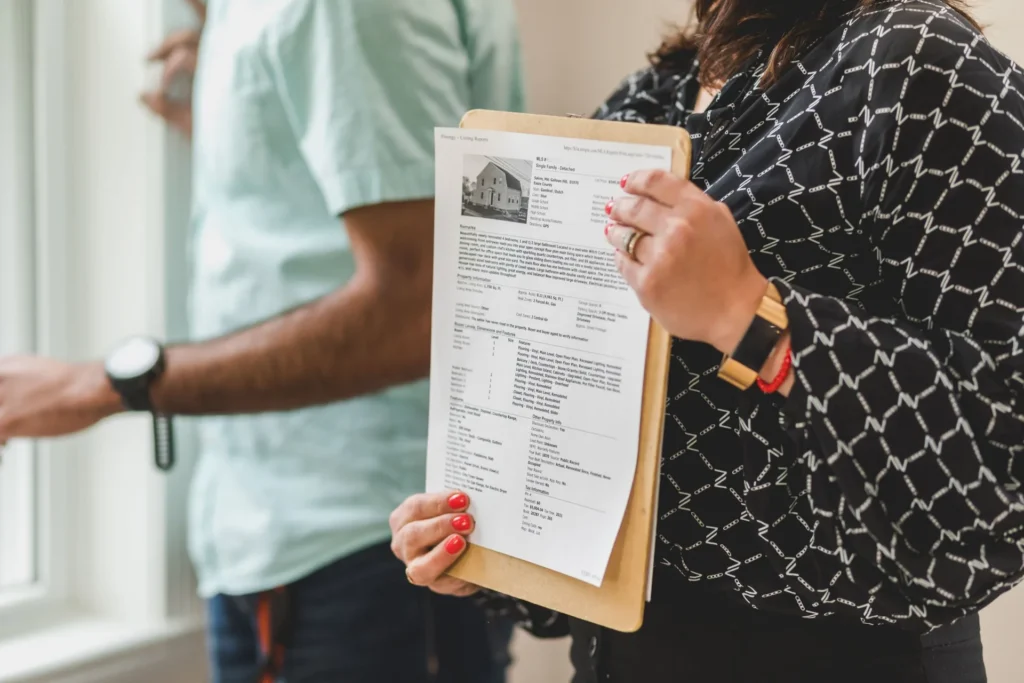
Before you list, check the certificates a buyer’s attorney may ask for, including a municipal zoning use certificate, an INVU setback certificate, a water availability letter or water concession file, and any information regarding easements on or annotations on your title.
If you hold a beachfront concession inside the Maritime Zone, the coastal strip the government leases rather than sells, or you own in a condominium (raw land or built), your file carries extra documents of its own such as regulations of use of that property as it is subject to its own zoning plan
Book a consultation and we’ll tell you which apply to your property, which have lapsed since you first purchased the property and which to start on first.
How property taxes and closing costs impact your sale
You owe property tax of 0.25% of your registered value under Law 7509, collected quarterly by your municipality. A municipal certification confirming your status is among the first things a buyer’s attorney requests, so bring the account current before an offer lands.
Article 16 of that same law requires you to declare your property’s value to the municipality every five years. If yours hasn’t been declared in the last five, declare it now. An out-of-date declaration delays closing and hands the municipality the option of assigning a value itself.
Separately, if your home’s construction value exceeds the annual luxury home tax threshold, you owe the Impuesto Solidario. For 2026 the Ministerio de Hacienda set that threshold at ₡143 million under Executive Decree 45358-H, and it resets each year for inflation. Rates run progressively from 0.25% to 0.55% of value, and it applies whether you hold the property personally or through a corporation.
Costa Rican Transfer tax, stamps and Notary fees need to be paid in most transactions, for the Property to be registered in the Purchaser’s name or corporation. Depending on how the deal is negotiated, Seller may have to pay half of these amounts. It imperative that you ask your attorney to review the Offer to Purchase or Letter of Intent prior to signing in agreement to price, as the costs related to half of the “Closing Costs” could be 2% of the Purchase or registered price, if the latter is higher, not including if Seller is asked to pay half of the Escrow fees.
Seller will also have its own due diligence fees as some of the documents required by Buyer have a cost to obtain as well as a payment to the government. In the case you cannot be present at closing, you may have to pay for a power of attorney. Therefore, it is important to know all costs (as much as feasibly possible) before signing an offer.
What you’ll pay in Capital Gains tax (in Costa Rica) when you sell

What you keep depends on facts settled long before closing. Three of them matter:
- When you acquired the property. The standard rate is 15% on the net gain, and if you acquired before July 1, 2019 you may elect a one-time flat 2.5% of the sale price instead.
- Whether you’re tax domiciled here. If you’re domiciled elsewhere, the law obliges the buyer to withhold 2.5% of the gross sale price and remit it before the transfer can be registered, and that comes off your proceeds at closing. If the sale turns out to be a loss or a break-even, part of that withholding may be recoverable; we’ll tell you whether that applies to you.
- How you’ve used the property. A qualifying primary residence can be exempt for a tax resident, while property used for rental or commercial activity may fall under a different regime.
- We recommend working with your attorney as well as a Costa Rican Certified Public Accountant to ensure you know all of your options.
What you’ll need for permits, insurance and utilities
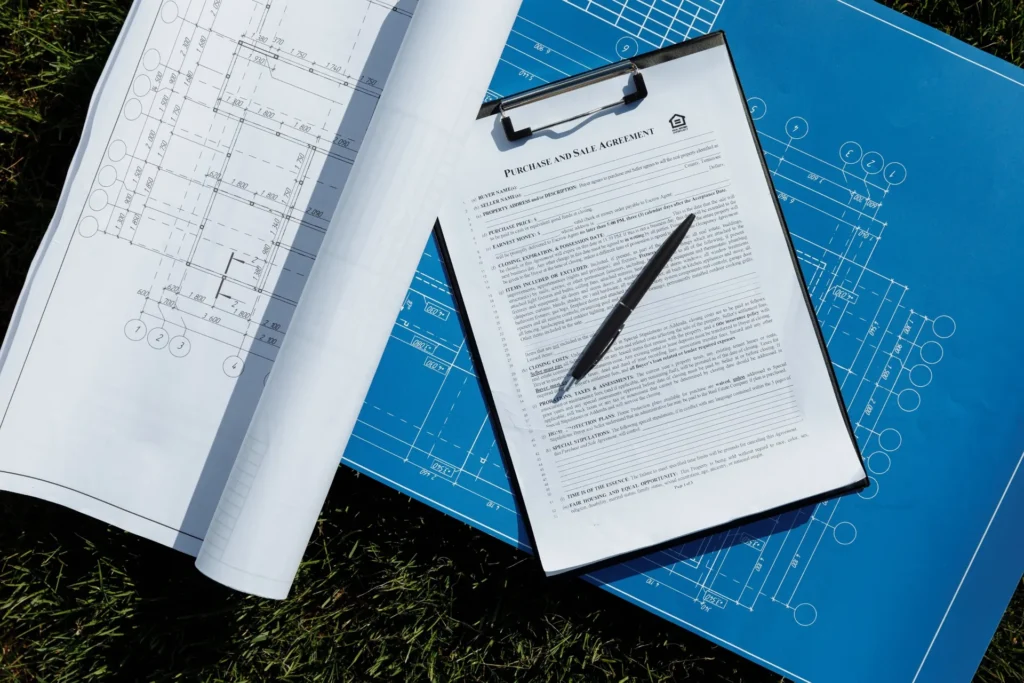
Where there’s construction on the land, expect the buyer’s attorney to request the building permit and the registered construction plans. Missing permits show up in closing after closing, and legalizing after the fact is slow when it’s possible at all.
It is also important to note that the permitted area should match the physically built area. If the plans don’t show a pool but you have a pool, it is possible that a buyer may request you obtain this permit during the due diligence or do a holdback in escrow after closing that will only be released once these permits are obtained.
Pull your insurance policy in full while you’re at it. You’ll get asked for it more often than you’d expect.
If the sale includes furnishings, write an inventory and take photographs of the items. Every dispute we’ve watched at a closing table over what stays and what goes traces back to an inventory nobody wrote down. Then collect the account numbers for electricity, water, internet, and any other subscribed service, because those transfer to the new owner.
If you have a property manager and have a current contract, you need to read over the termination agreement and possible penalties for terminating in advance.
Why your ID has to match the title
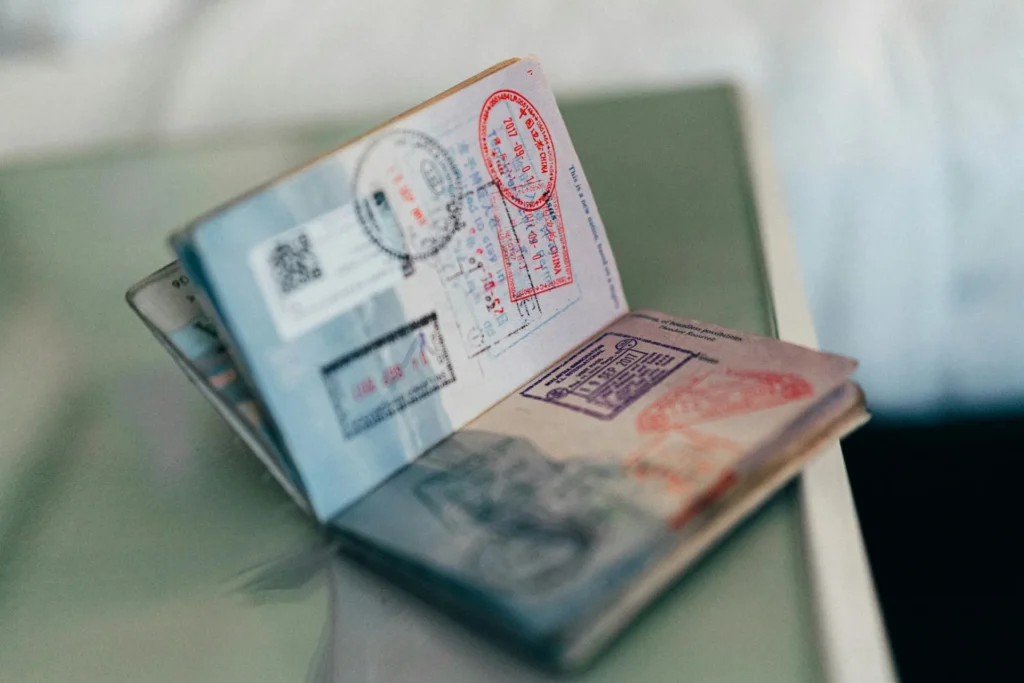
If you bought with a passport that’s since expired, or you’ve obtained residency and now hold a DIMEX card, the residency ID issued here, the identification on your title no longer matches what you’ll present at closing. Updating the registry is quick when handled in advance and awkward when discovered on closing day. We can do it remotely.
Do you rent your home with vacation rentals or is it currently rented long term?
If you rent with platforms like Airbnb, a Buyer may want to continue to do so, and will want to see the organized information. In many cases, a Buyer will keep on the rentals after closing, therefore down payments need to be reimbursed. A Buyer will want all passwords and website information as well as the Know-how of the rental.
What you owe your housekeeper or gardener when you sell

Your housekeeper, gardener, or caretaker is an employee under Costa Rican labor law, whatever the arrangement has looked like in practice. When the employment relationship ends they’re entitled to a settlement, and severance (cesantía) is capped at eight years of service regardless of how long they worked for you. Alongside it they’re owed advance notice or pay in place of it (preaviso), proportional vacation, and a proportional share of the Christmas bonus (aguinaldo) every employee in the country receives. Licda. Yancy Gabriela Araya P., our labor and municipal specialist, runs these settlements.
These obligations stay with you. They’re settled at or before closing, and they can’t be handed to the new owner.
The difficulty is timing, and it comes up in nearly every sale we handle. You won’t want to let a gardener or a housekeeper go while the sale could still fall through, and you don’t have to. We plan the settlement around your closing so it’s handled properly and nobody’s dismissed on the strength of a deal that hasn’t closed.
How you get paid, and what a mortgage changes

If there’s a mortgage on the property, get the current payoff balance and start coordinating with the lender early. Mortgage holders are slow to confirm a payoff balance, and that slips closing dates.
At closing, funds are released to you from escrow. Have your bank details verified in advance and confirm the account can receive an international wire of the size and currency you’re expecting.
Talk to an accountant in your home country before closing about where those funds should go and what you may owe there.
And What if the Buyer wants Seller Financing?
In Costa Rica, this is common practice for a Seller to receive part of the payment and then receive payments in installments with interest. Depending on your personal situation and choice, this could be an option that makes your property more attractive to a buyer, but please consult with your attorney first so that you know all of the possible Pros and Cons of financing the sale.
Talk to us before you list
Book a consultation with our law office and we’ll tell you what in your file is out of date, what will take the longest to fix, and what it takes to reach a clean closing. Get in touch before you’re ready to sell to ensure a smooth transition and closing.
Frequently Asked Questions
What documents do I need to sell a property in Costa Rica?
It depends on how you hold the property and what’s on the land. Most sales need current corporate books and filings if a company owns the property, a registered corporate email under Law 10597 from December 3, 2027, current municipal tax and zoning certificates, a water availability letter, permits for any construction, and identification that matches the title. Book a consultation and we’ll tell you which apply to your sale and which have expired.
Do I need a real estate agent to sell a property in Costa Rica?
No law requires one. Many owners in the Southern Pacific list with an independent local brokerage or an international franchise for the marketing reach, and others sell privately to someone they already know or use local real estate agents. Either way the legal work sits separate from the listing, and a real estate agent can’t substitute for independent legal representation. Send us your listing agreement before you sign it, and send us any offer before you accept it, so you know every cost the sale carries before you agree to a price.
How long does a Costa Rica property sale take to close?
From accepted offer to registered transfer, most sales complete within 30 to 90 days, depending on what the due diligence surfaces and how current the documents were when the offer arrived. Registry processing times are set by the government and sit outside any firm’s control.
Do I need to be in Costa Rica for the closing?
No. If you can’t attend, a power of attorney lets a representative here sign for you, and for a corporate sale this is often handled through the corporation itself. If the property is in your personal name and you haven’t left a power of attorney with someone here, you can grant one at your nearest Costa Rican consulate, grant one on a trip down before closing, or fly in for the closing itself. We coordinate the consulate side with you, and the earlier you tell us, the easier the timing.
Do I have to settle my household employees when I sell?
Yes, if the sale ends the employment. Regular household or property staff are entitled to severance (cesantía), advance notice or pay in place of it (preaviso), proportional vacation, and a proportional share of the Christmas bonus (aguinaldo) under Costa Rican labor law, plus any unpaid social security contributions. These are settled at or before closing and can’t be passed to the new owner. A registered company that services your property and gives you an official Costa Rican receipt, like a weekly pool service, is a contractor rather than an employee and isn’t owed a settlement.
What is the luxury home tax, and does it apply to me?
The Impuesto Solidario applies to residential property where the construction value exceeds a threshold the tax authority resets annually, set at ₡143 million for 2026. Rates run progressively from 0.25% to 0.55%. It applies whether the property is held personally or through a corporation, and outstanding amounts follow the property to its new owner, which is why they get checked before closing. If your home clearly qualifies for the luxury tax, we handle the declaration and payment with you. If you’re not sure, we can refer you to an engineer for a valuation that settles it. The obligation starts once construction is complete, so a house still under construction doesn’t need to be declared yet.
How can Uvita Law Firm help you sell your property?
We handle every stage of a property sale in Costa Rica, from the document audit before you list to the transfer at closing. That includes refreshing whatever has expired, reviewing the exclusive listing agreement your realtor gives you along with the real estate commission terms, and settling any employee obligations. The selling process in Costa Rica ends in a public deed, which only a notary public licensed here can execute, and our team includes attorneys who are also notaries public. A successful sale is usually decided by what a Costa Rican attorney fixed weeks before anyone made an offer.
Is it common in Costa Rica to hold property in a corporation?
Yes, particularly among foreign owners. If your property is held in a Costa Rican corporation, that corporation is the seller and has to be in good standing before it can sign anything, which means current books, paid corporate tax, a filed beneficial ownership declaration, and a registered email on file with the national registry. Those filings are where closings slip.
How do I confirm my property boundary before I sell?
Your registered survey map shows the property boundary the government recognizes, which can differ from the fence line you’ve been maintaining. That gap surfaces on steep lots and on properties with ocean views, including much of the coast around Playa Uvita. Sort it before you put the property for sale, because it costs less to find yourself than to have it surface in front of potential buyers. Costa Rica’s newer GPS-based national mapping can differ sharply from older surveys, so if yours is old or you suspect a mismatch with a neighbor, a surveyor’s review before you list gives you time to fix it before a buyer finds it.